

The value of DSEAR: Addressing today’s risks to plan for tomorrow
Published: 15 April 2026
For gas and water companies, compliance with the Dangerous Substances and Explosive Atmospheres Regulations (DSEAR) sits right at the heart of where safety, resilience and long-term asset stewardship come together. But these same sectors are engaging with a growing set of challenges that extend way beyond getting a compliant DSEAR assessment in the bag until the next time. From ageing infrastructure to emerging fuels, workforce capability and climate pressures, DSEAR is fast becoming a strategic issue rather than an obligation of safety.
Ageing assets and modern expectations
Many operational assets remain in service decades after their installation, designed to standards and operating assumptions that have sometimes fallen out of step with modern DSEAR interpretation. Legacy hazardous area classifications, ventilation arrangements and equipment selections may no longer reflect how sites actually operate these days.
One significant challenge is the legwork required to reconnect documentation with the physical reality of what’s actually in place. Drawings, registers and assessments often exist, but are fragmented, outdated or inconsistent across sites. Addressing this requires structured site surveys, robust hazardous area classification and a clear understanding of how assets have evolved over time. Increasingly, utilities are recognising the value of digitally enabled DSEAR information that can be maintained, reviewed and updated as part of routine asset management – driving much more than a static, periodic exercise.
Workforce competence in new focus
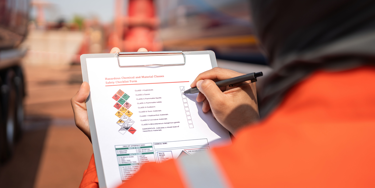
DSEAR compliance relies heavily on human judgement. Assessments must be undertaken by people who understand both the regulations and the realities of operational environments. However, skills shortages, and workforce turnover that’s impacted by skilled ‘old hands’ retiring, is placing pressure on competence across the sector.
Ensuring workforce competence isn’t just limited to formal training. It requires clear definition of roles, access to specialist support when needed, and ongoing assurance that DSEAR controls are being correctly applied in practice. Many organisations are strengthening this by seeking independent technical reviews, expert site surveillance and targeted competence development, ensuring that DSEAR decisions are consistent, transparent, and embedded into day-to-day operations.
New fuels, new processes, new risks
The drive towards decarbonisation is reshaping DSEAR risk profiles. Hydrogen blending, advanced treatment technologies and evolving dosing systems all introduce hazards that differ materially from traditional gas and water assets.
Biogas and biomethane facilities are a clear example. As these assets move from pilot to mainstream, operators are encountering complex hazardous atmospheres with variable gas compositions and evolving interfaces between their systems. These environments demand fresh, fit-for-purpose DSEAR assessments, ideally undertaken early in the design phase and revisited throughout commissioning and onward to operation. Organisations that engage specialist DSEAR and process safety expertise early are better placed to balance their drive for innovation with safe, compliant delivery.
Embedding DSEAR into strategic planning
Too often, DSEAR is considered late in the project lifecycle, creating last-minute design changes, retrofitting or operational limitations. Embedding DSEAR into strategic and investment planning can pre-empt these patterns and save money on the way.
By considering hazardous substances and explosive atmospheres at the concept and even optioneering stages, companies can align their hard-fought investment with the safety outcomes they need, prioritise risk reduction and ultimately avoid the cost and delay of DSEAR missteps. This approach creates consistency across large asset portfolios, particularly when it’s supported by clear standards, governance and independent technical assurance.
Environmental and climate pressures
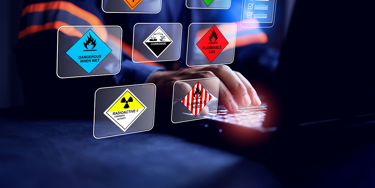
Climate change adds another important factor in DSEAR risk. Increased flooding, higher ambient temperatures and more frequent extreme weather events can all affect hazardous area zoning, equipment integrity and control measures.
For gas and water companies, this clearly underlines the need to see DSEAR through the lens of environment and asset resilience. Integrating DSEAR with flood risk assessments, climate planning and environmental risk management helps ensure that controls remain effective not just today, but in what is likely to be a more volatile future for operations.
Making documentation work harder
Across all these challenges, one issue consistently emerges: DSEAR documentation that exists, but does not meaningfully support decision making. Assessments may be technically robust, yet difficult for operational teams to access, interpret or apply.
Digitally enabled platforms are transforming this space. When hazardous area data, equipment registers and actions are brought together in one accessible environment, DSEAR becomes an active management tool rather than a static item of ‘snapshot’ paperwork. Embracing this shift to applicable data supports safer operations, clearer accountability and more informed leadership decision-making from the humans involved.
Looking ahead
The future of DSEAR in the gas and water sector lies in integration – integrating competence with governance, digitisation with assets, and safety with strategic planning. Organisations that are willing and able to see the big picture like this will not only achieve compliance, but build more resilient, future-ready operations. Operations that are capable of supporting the energy and environmental transitions we undoubtedly have ahead of us.
Latest resources
 Insights
Why AMP8 needs a new mindset
 Insights
Why asset intelligence will decide who succeeds under AMP8 and PR29
 Insights
How DSEAR training supports workforce resilience
 Insights
What DSEAR training really needs today: Moving beyond compliance to create operational resilience
 Insights
Net-zero in industry: The challenges that matter, and the people facing them
 Insights
The value of DSEAR: Addressing today’s risks to plan for tomorrow
 Insights
Downstream of the ECV: The quiet corner of gas infrastructure that needs our attention
 Insights
From vulnerable sites to network‑wide compliance: Creating a DSEAR blueprint
 Insights
Intelligence in asset management: Driving clearer decisions in the gas industry
 Insights
EUSR training: Creating safety and resilience in utilities
Here to achieve, validate and demonstrate compliance
Our expert consultants are available to ensure compliant and effective processes for asset design, build, maintenance, and operation.
Contact our experts